Chimney and fireplace inspection in Tulsa
A close look at the cap, crown, flue, damper and firebox, explained in plain English before any repair comes up.
Chimney and fireplace
Find small problems before they turn expensive
An inspection finds damage you cannot see from the ground: a cracked crown, a failing liner, a damper that no longer seals. We check the chimney from the cap to the firebox and explain what we find. You decide what happens next.
Once a year
The recommendation from the Chimney Safety Institute of America.
Buying or selling
Know what the chimney needs before you sign.
After a storm
Wind, hail and heavy rain can damage a cap or crown.
Plain-English answers
We explain what we find, and what it means.
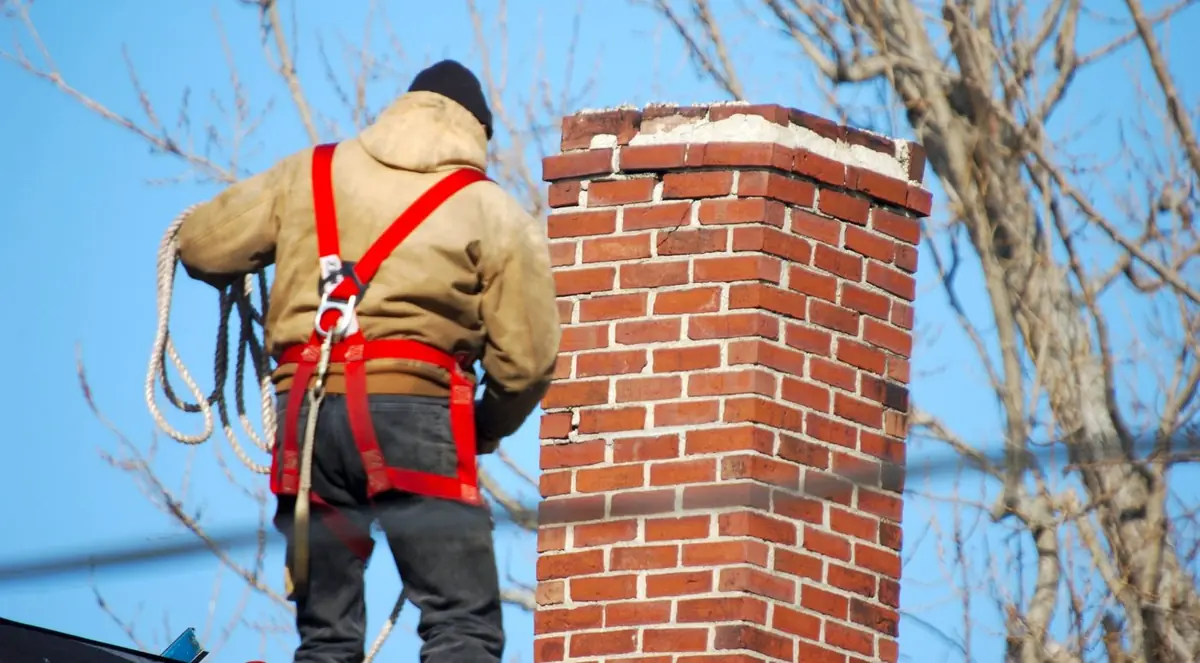
Chimney and fireplace
Seven points, cap to firebox
We look at seven key points, then explain what we see in plain English.
- 1. Chimney capKeeps rain, animals and debris out of the flue.
- 2. CrownThe slab on top that sheds water away from the masonry.
- 3. Flue linerCarries smoke out. We check it for cracks and buildup.
- 4. Masonry and flashingBricks, mortar and the seal where the chimney meets the roof.
- 5. Smoke chamberThe sloped area above the damper where soot collects.
- 6. DamperWe make sure it opens, closes and seals properly.
- 7. FireboxWhere the fire burns. We look for cracked brick and worn mortar.
What a chimney inspection covers
We go through each part of the chimney and tell you what condition it is in.
Our inspection follows the path of the smoke and the path of the water. We check how the chimney is built, how it is holding up, and whether it can do its job safely.
An inspection starts at the top of the chimney and works down to the firebox.
- Creosote and heavy soot are removed
- Check for chimney movement, displaced bricks, cracked metal and similar damage
- Assess the chimney cap, crown and flashing for defects
- Chimney, fireplace and wood stove, if you have one, are clean
- Check for damaged or clogged chimney flues
- Check that cleanout doors and the damper work properly
- Check for cracks, rust and water damage on chimneys, fireplaces and heating appliances
- Check that the chimney liner is present and free of damage
- Check that the fireplace, chimney or heating appliance has proper clearance to combustibles
- Check that the sizing is right for proper drafting
When to schedule an inspection
Most homeowners should schedule an inspection once a year. The Chimney Safety Institute of America makes that recommendation, and the CSIA explains why on its site. Call (918) 361-4929 soon if any of these apply to you:
- Your chimney has not been inspected in more than a year
- You are getting ready to sell your house, or you just bought one
- There is a lot of buildup in your chimney and you worry about your family's health
- A storm has passed and you want to be sure the cap and crown held up
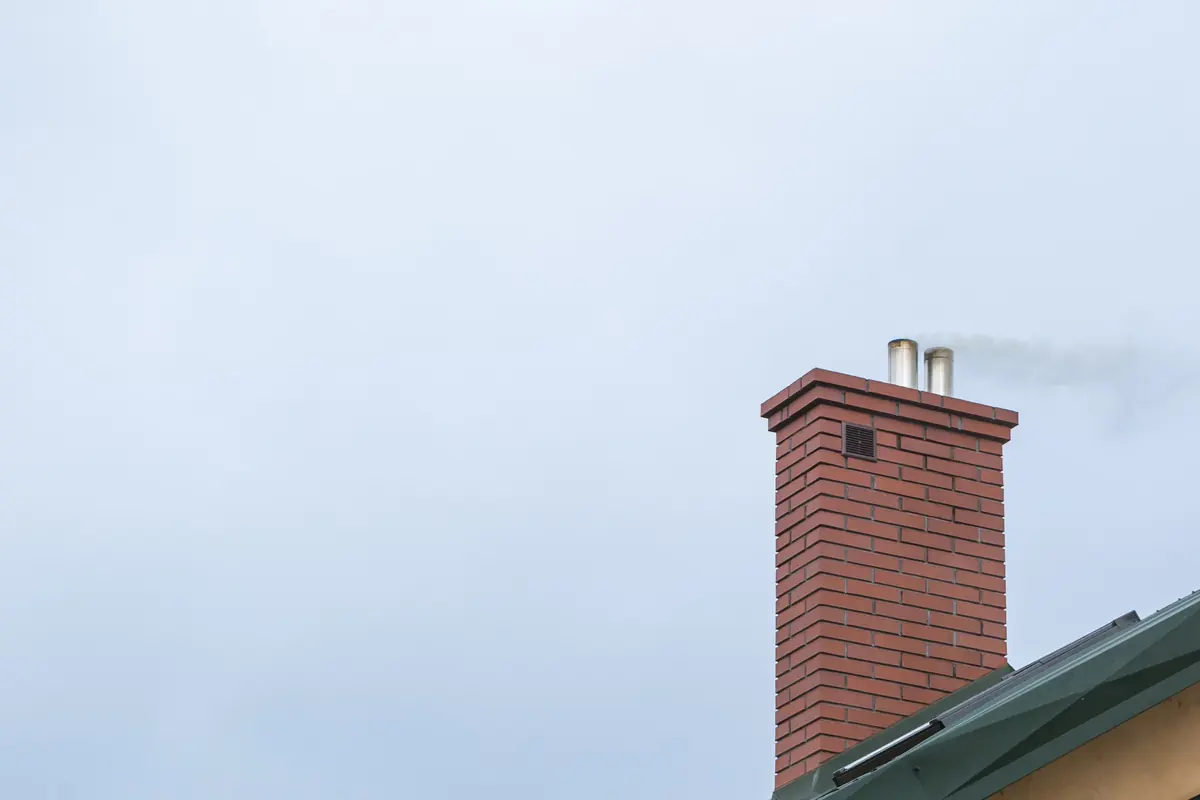
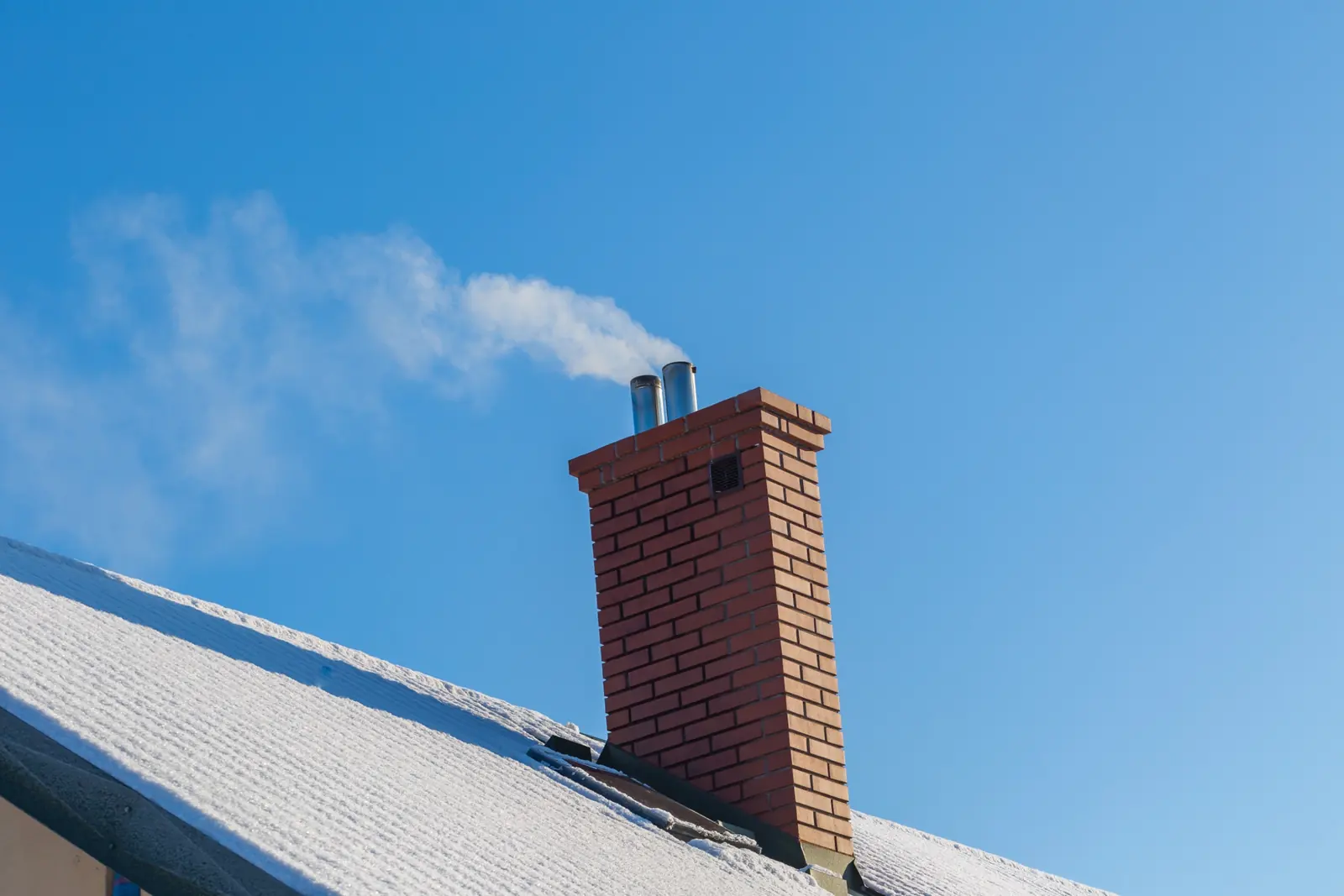
Caps, crowns and flashing take the brunt of every storm.
What you get after the inspection
You get a clear answer. We walk you through what we found, what is fine, and what needs attention. We separate the things that need work now from the things that can wait, and we tell you which is which.
If a repair makes sense, we explain the options and the cost before we start. We only do the work you approve. That approach is what customers tell us they value most.

Every inspection ends with a plain-English walk-through, so you can relax by the fire knowing where things stand.
He did recommend other repairs but was upfront about how soon they should be done. I appreciate his transparency and honesty.
Lucas Lingelbach, customer review
If the inspection turns up a problem, see our chimney and fireplace repair page. If it turns up buildup, we can clean it on the same visit if you want. See chimney and fireplace cleaning for what that involves.
Inspection or cleaning?
A cleaning removes soot and creosote. An inspection checks the condition of the chimney. If your fireplace smells smoky or you have not had it checked in a year, start with an inspection and we will tell you whether a cleaning is needed.
Our shop is in Tulsa, and we inspect chimneys in Broken Arrow, Bixby, Jenks, Owasso and Sapulpa as well.
On this page
Ready to book?
Request an appointment and we will confirm your time window.
Other services
What happens on your visit
From the roof to the walk-through
The same careful routine at every home.
1
We protect your home
Drop cloths go down over the floor and the hearth first.
2
We check the top
Cap, crown, flashing and the masonry above the roof.
3
We check the flue
The liner, the smoke chamber and any buildup inside.
4
We check the firebox
Brick, mortar, the damper and clearance to anything that burns.
5
We sort what we found
What is fine, what needs attention now and what can wait.
6
We walk you through it
Options and cost for any repair, and your questions answered.
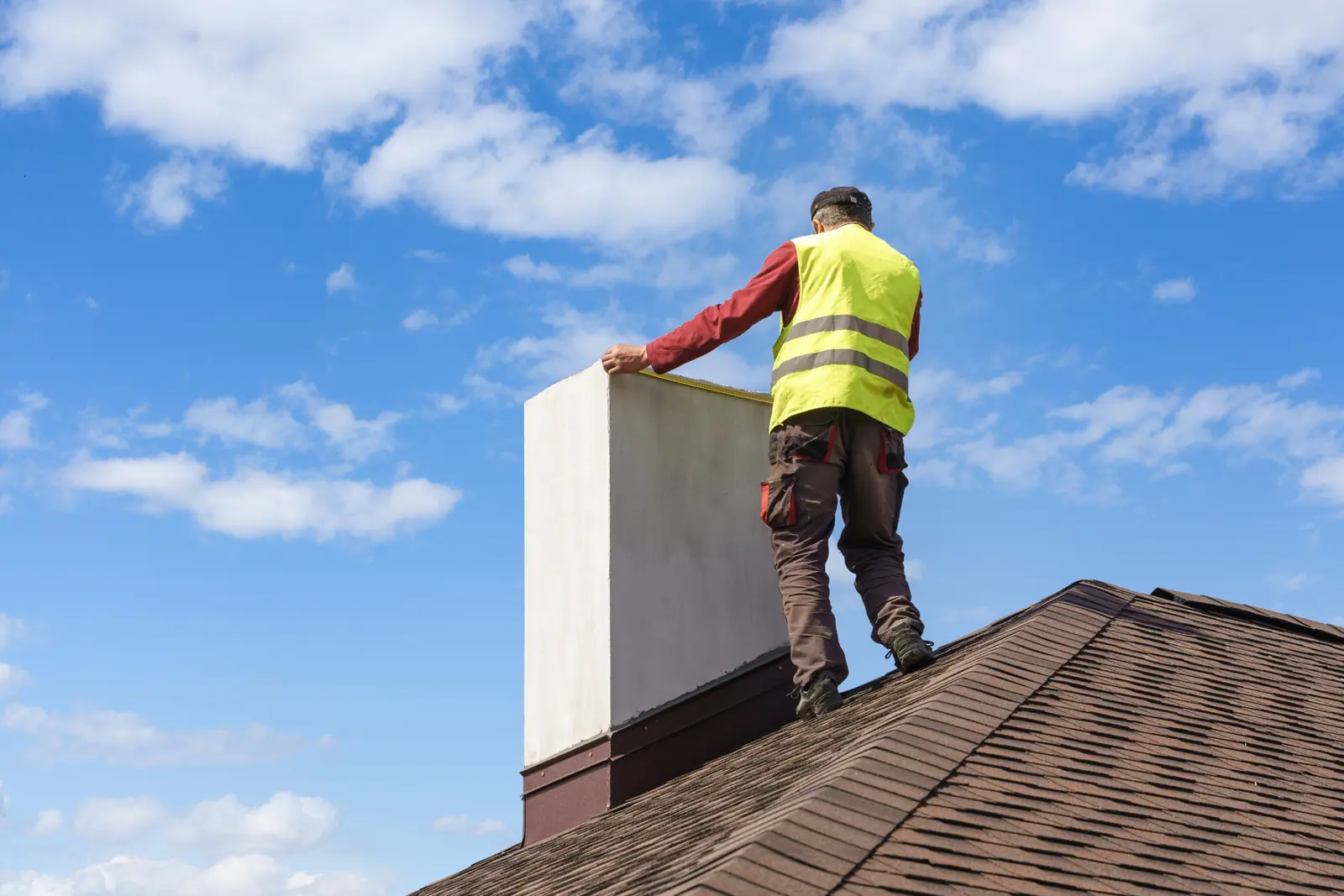
Most problems start at the top of the chimney, where the weather hits.
When to book
Six good reasons to schedule an inspection
If any of these apply to you, it is time.
It has been a year
The yearly check the Chimney Safety Institute of America recommends.
You are buying or selling
Know what the chimney needs before you sign.
A storm just passed
Hail and wind are hard on caps, crowns and flashing.
You smell smoke
A sooty smell can mean buildup or damage in the flue.
You see water stains
Stains near the fireplace point to a leak somewhere above.
You plan to start using it
A fireplace that has sat unused deserves a look first.
Before we arrive
How to get ready
A little preparation helps the visit go quickly.
- Let the fireplace cool completely before we arrive
- Clear a path and a few feet of space in front of the hearth
- Move valuables and fragile items off the mantel
- Tell us about any smoke, smells, leaks or noises you have noticed
What is included
- Floor and hearth protection
- A check of seven key points, cap to firebox
- A walk-through of what we found
- Options and cost for any repair
Common chimney problems
Something not right with your fireplace?
Start with the problem. Each answer explains the likely causes and what we do about them.
Why does my house smell like a fireplace?
Causes of a smoky or sooty smell, and how we fix it.
Why is smoke coming into the room?
What makes a fireplace smoke back into the house.
Why is my chimney leaking?
Where the water gets in, and how we stop it.
Inspection questions
Chimney inspection FAQ
Another question? Call us and talk to a real person.
Do I need an inspection if I just had my chimney cleaned?
A cleaning removes buildup. An inspection looks for damage, such as a cracked crown, a failing liner or a damper that does not seal. We look at the chimney while we clean, but a full inspection goes through each part and explains it.
Should I get an inspection before buying or selling a home?
Yes. A chimney can hide expensive problems, and an inspection gives you a clear picture before you sign. Call us and we will book a time window.
What do I get after the inspection?
A walk-through in plain English. We show you what we found, what is fine, and what needs attention now versus what can wait. You decide what happens next.
More from Ashes Away
Other services you may need
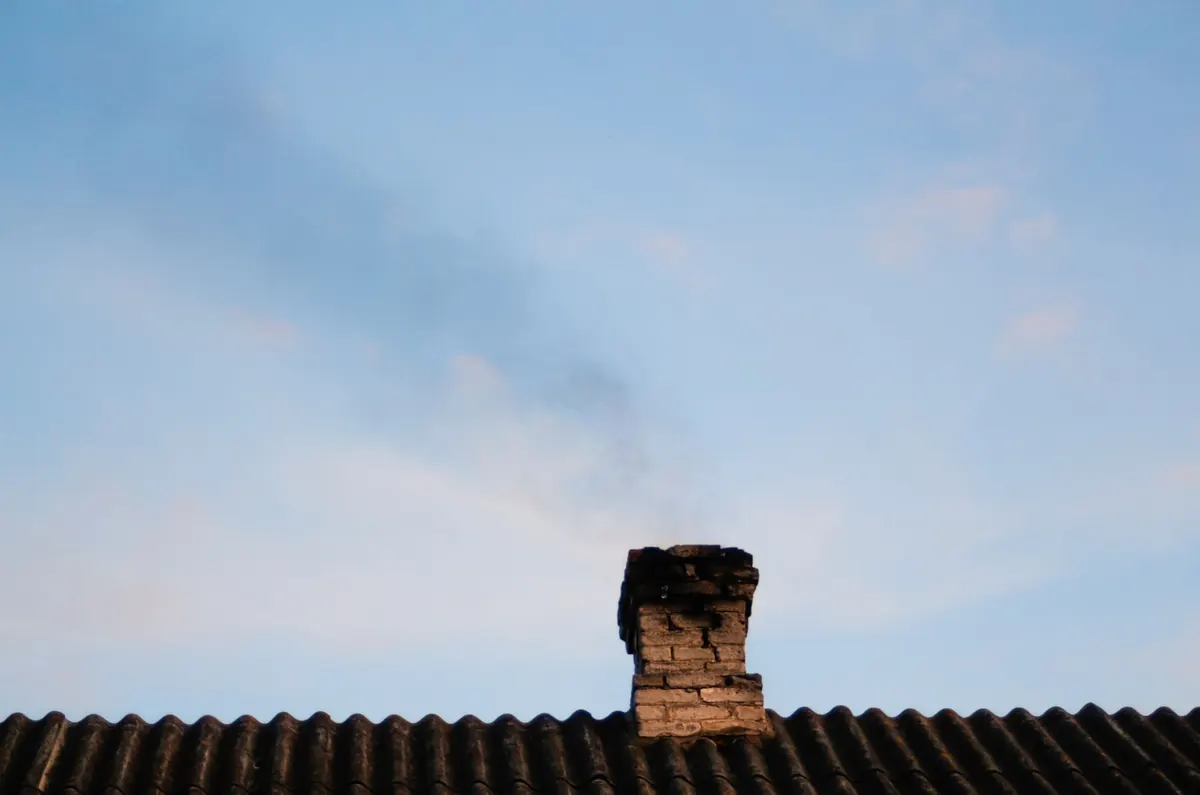
Chimney and fireplace cleaning
Removes creosote, soot and debris so smoke goes up the flue and not into the room.
Chimney and fireplace repair
Cap installation, crown maintenance and relining to keep water, animals and heat damage out.
Book your sweep
Ready for a safe, clean burn season?
Request an appointment and we will confirm your time window.